

According to the latest data, some 30% of Australian households now have solar panels, and that number is only expected to rise in the coming years.
And it’s not hard to see why solar power is booming in Australia. Solar energy offers a wide range of benefits that have made it the go-to solution for homeowners and businesses looking to get a better handle on their energy bills while also minimising their impact on the planet.
There are two main types of solar power systems: on-grid and off-grid. In this post, we’ll focus on off-grid solar, including what it is, how it works, and the advantages it can offer. If your property is in the Noosa area, read more about our off-grid solar installation in Noosa and how we design systems for coastal and hinterland properties.
And don’t forget — if you’re interested in adding solar panels to your home or business, then don’t hesitate to get in touch with us here at Integrity Solar Australia by calling 0492 973 774.
Understanding Off Grid Solar
Off grid solar systems harness the sun’s energy in much the same way as standard solar panels.
However, unlike on-grid solar, which connects to the electricity grid, this type of setup operates independently. It can be an excellent option for properties in areas without grid access, as well as for those looking to become more self-sufficient and reduce their reliance on traditional energy sources.
With the right combination of solar panels, battery storage and other equipment, an independent solar setup can provide a reliable source of electricity while helping reduce your environmental impact.
Off Grid vs On Grid Solar Systems
Off grid and on grid solar systems offer similar benefits, but there are some important differences to consider.
On-grid solar is connected to the electricity grid and is typically used to supplement the power supplied by the network rather than providing all of a property’s energy needs.
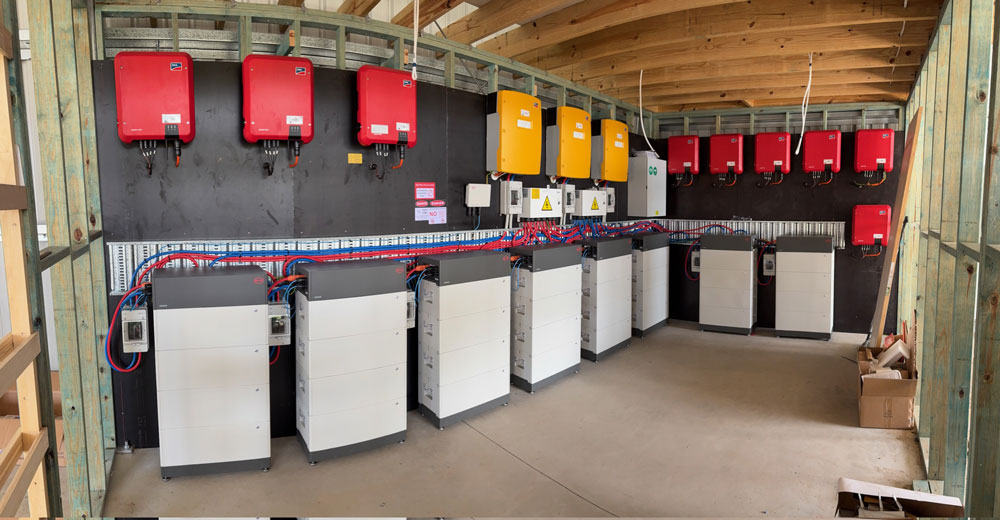
Off-grid systems, on the other hand, operate independently of the grid. They use battery storage to store excess electricity generated during the day, allowing you to power your home or business when the sun isn’t shining.
This makes an independent solar setup an appealing option for homeowners and businesses in locations where grid connection is unavailable, unsuitable or unreliable. It can also provide greater energy independence and help reduce reliance on electricity from the grid.
The Advantages of Off Grid Solar Systems
Around 2% of Australians already live off grid, but that figure is steadily increasing thanks to the availability of off grid systems, which offer a range of unique advantages on top of the ones already offered by on grid solar systems.
Let’s take a closer look at why off grid solar systems are becoming more mainstream.
Round-the-Clock Power
Traditional on grid solar panels are connected to the electrical grid. If the grid goes down, as is increasingly common in Queensland and across Australia, and the sun isn’t shining, the property can be without power for as long as the outage lasts.
An off-grid setup can provide power even during a grid outage. Excess electricity generated during the day is stored in batteries, which can then supply the property at night or during periods of poor weather.
For homeowners and businesses that need a reliable electricity supply, an independent solar system can provide greater energy security and peace of mind.
Lower Energy Bills
On grid solar panels can lower a household’s energy costs, but a properly designed off-grid system can provide even greater energy independence. Because the property generates and stores its own electricity, there may be little or no need to purchase power from the grid.
This is particularly appealing to Australians living in areas with high electricity prices, such as Queensland. With Queensland households facing significant electricity costs, reducing reliance on grid power can result in substantial long-term savings.
It’s a Wise Long-Term Solution
Off grid solar systems are generally more expensive than on grid systems because of the additional infrastructure required, including battery storage. However, those upfront costs can be offset over time through reduced reliance on electricity from the grid.
We’ve already mentioned the potential for significant energy savings. Combined with quality solar panels, battery storage and equipment designed for long-term use, an independent power system can be a worthwhile investment for homeowners and businesses looking for greater energy independence.
Get In Touch With Integrity Solar Australia Today
Ready to get all the benefits of having an off grid system on your property? Get in touch with Integrity Solar Australia to learn more.
For additional independent information about choosing solar and battery solutions, visit the Clean Energy Council’s consumer information resources.
More Posts You May Find Interesting
Does Grid-Connect Solar Work During a Blackout? Solar, Batteries and Backup Explained It is one of the most common surprises for solar owners. The power goes out, the sun is
Solar panels are well-known for being an excellent way to reduce electricity costs, improve your carbon footprint, and increase property value, but did you know that there’s more than
If you're planning on going off-grid on a Noosa Hinterland property, you have quite a bit to learn. Sometimes connecting to the electricity grid can be expensive, impractical, or
If you’re considering getting solar panels for your property, you might have found yourself struggling to determine which are the right choice for you. This is especially true if you